Ecommerce SEO is a different game from ranking a five-page business site. You have hundreds or thousands of products, filters that create duplicate URLs, out of stock items, and category pages that need to rank for competitive terms. Get the structure right and organic search becomes your most profitable sales channel.
Rapid Digify provides ecommerce SEO services in Bangladesh and for online stores worldwide.
What we work on
- Keyword mapping for categories, subcategories and products, so each page targets its own term
- Category page optimization: intro copy, buying guides, internal links and filters that help rather than hurt
- Product page optimization: unique titles and descriptions, image SEO, reviews and specification tables
- Faceted navigation: controlling filter and sort URLs with canonicals, noindex and robots rules
- Product schema for price, availability and reviews in search results
- Site speed for heavy theme and app setups
- Out of stock and discontinued products: what to keep, redirect or remove
- Google Merchant Center feed checks for free product listings
- AI shopping visibility in ChatGPT and Google AI Mode product answers
Shopify SEO
Shopify is easy to launch but has SEO quirks: duplicate product URLs through collections, a fixed URL structure, apps that bloat page speed and limited control over robots rules. As a Shopify SEO expert in Bangladesh, I work within those limits. That means fixing internal links to canonical product URLs, cleaning up apps, writing collection content, and using schema and metafields properly.
WooCommerce SEO
WooCommerce gives you full control, which also means more ways to go wrong: attribute archives, tag pages, slow hosting and plugin conflicts. See our WordPress SEO services for the platform side.
Bangladeshi ecommerce brands
Many local stores rely on Facebook and pay for every sale through ads. Organic search for product and category terms in English and Bangla can lower that cost a lot, especially for fashion, electronics, cosmetics and home goods.
Want the technical side checked first? Start with an SEO audit, or see all our SEO services.
The ecommerce SEO problems I see most
Most online stores lose organic sales to the same handful of issues. They are rarely visible from the front end, which is why they go unfixed for years.
- Thin category pages with a heading and a product grid, but no text explaining what the category is or who it is for
- Duplicate product descriptions copied from the supplier, the same text Google has already seen on dozens of other stores
- Filter and sort URLs getting indexed, creating thousands of near-identical pages that waste Google's attention
- Out of stock and deleted products turning into 404 errors instead of being redirected or kept live with alternatives
- Slow, image-heavy pages on mobile, where most shoppers in Bangladesh and abroad actually browse
- No product schema, so Google can't show price, availability and review stars in the results
Category pages vs product pages: which should rank
A common mistake is trying to rank product pages for broad keywords. Broad searches are better matched by category pages, while product pages win the very specific searches.
| Search | What the shopper wants | Page that should rank |
|---|---|---|
| women's kurti online bd | Browse options | Category page |
| cotton kurti for summer | A narrower set | Sub-category or filtered landing page |
| [brand] blue cotton kurti size M | That exact item | Product page |
| how to choose a kurti size | Advice before buying | Buying guide that links to categories |
Once each page type has one clear job, rankings usually move faster, and internal links from guides to categories to products pass authority to the pages that sell.
Product schema and rich results
Product schema tells Google the name, price, currency, availability, brand and reviews for every product. Done properly, it can show those details right in the search results, which makes your listing stand out next to plain links. It also helps AI shopping answers in Google and ChatGPT understand what you sell. I set it up through your platform or SEO plugin, then test it with Google's Rich Results Test so there are no errors.
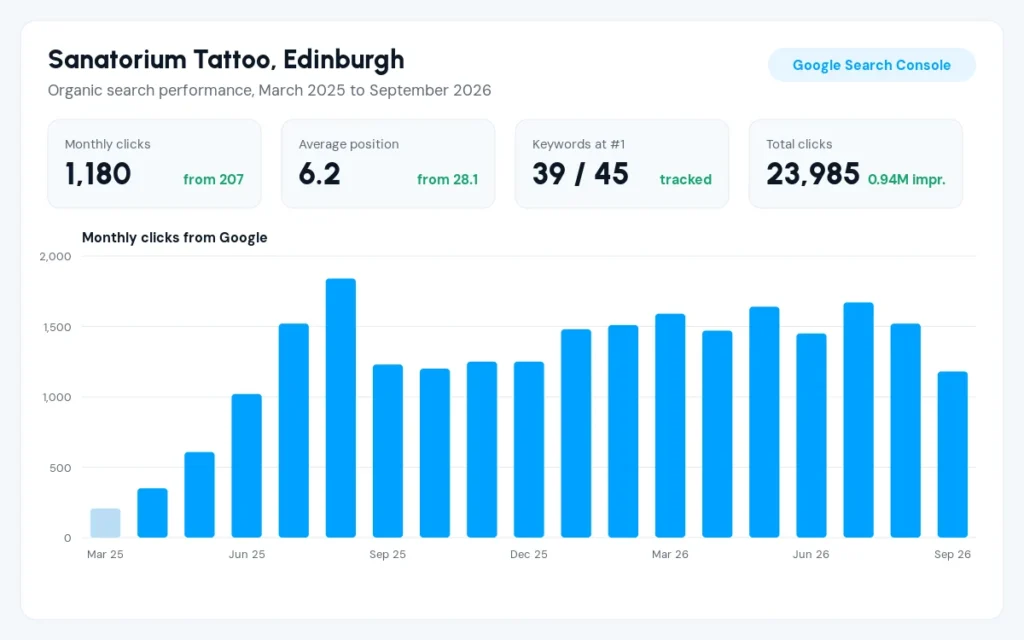
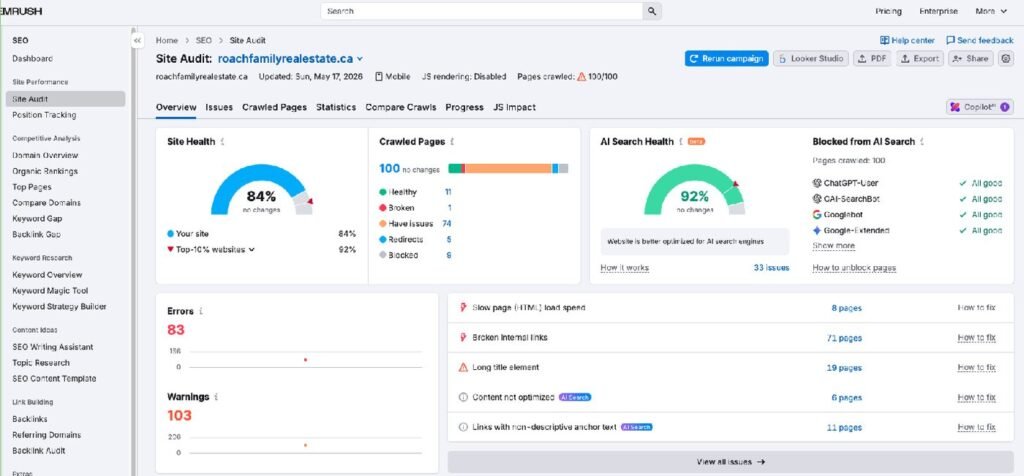
Results from the same kind of work
I don't have a published ecommerce case study yet, so I won't pretend otherwise. But the work that grows an online store is the same on-page, technical and authority work behind these results for other clients:
Ecommerce SEO vs paid ads
| Paid ads (Google, Meta) | Ecommerce SEO | |
|---|---|---|
| Speed | Traffic from day one | Builds over months |
| Cost over time | You pay for every click, forever | Work up front, traffic keeps coming |
| When you stop | Traffic stops the same day | Rankings usually hold for a long time |
| Trust | Many shoppers skip ads | Organic results are clicked more often |
| Best use | Launches, sales, testing products | Steady, profitable sales from core categories |
Most stores do best with both: ads for quick wins and testing, SEO for the categories that sell every month.
How an ecommerce SEO project runs
- Audit: crawl the store, check indexing, speed, duplicate pages, schema and the categories that already get impressions.
- Keyword map: assign the right keywords to each category, sub-category and key product.
- Fix the foundation: filters, canonicals, redirects for old products, speed and schema.
- Improve the pages that sell: category copy, better product titles and descriptions, internal links from buying guides.
- Build authority: links and mentions from blogs, directories and media in your niche.
- Report monthly on organic sessions, revenue from organic search and rankings for your main categories.
Content that helps online stores rank
Product and category pages can only target so many keywords. The stores that grow fastest in search also publish useful content that answers questions shoppers ask before they buy, then links to the right category.
- Buying guides: "how to choose a running shoe", "best fabric for summer kurtis"
- Comparison pages: product A vs product B, or your range compared by use case
- Size and fit guides that cut returns and rank for "size chart" searches
- Gift guides for Eid, Pohela Boishakh, Christmas and other seasonal peaks
- FAQ sections on categories, answering delivery, payment and return questions
This content also feeds AI search. When someone asks ChatGPT or Google AI Mode for the best product in a category, these guides are exactly the kind of source they quote.
AI shopping search
Shoppers now ask AI tools to compare products and suggest where to buy. Google shows shopping results inside AI Mode, and ChatGPT can surface products with prices and links. To be included, your store needs clean product data (names, prices, availability, brand), product schema, a Merchant Center feed if you sell through Google, and mentions on review and comparison sites. I check all of these as part of the audit.
Why work with me on ecommerce SEO
I am a Google certified SEO consultant and a WordPress developer, Top Rated on Upwork, with more than four years of SEO work. That means I can fix WooCommerce and Shopify issues myself instead of writing a report and leaving you to find a developer. You work with me directly, get a clear monthly plan, and see results reported as organic traffic and sales, not just rankings.
What results to expect, and when
| When | What usually happens |
|---|---|
| Weeks 1 to 4 | Audit done, indexing and duplicate page problems fixed, product schema live, speed improved. |
| Months 2 to 3 | Category pages start climbing for their main keywords. More products show rich results with price and stock. |
| Months 4 to 6 | Clear growth in organic sessions and sales from search. Buying guides start ranking and sending shoppers to categories. |
| Month 6 onward | Compounding growth as content, links and reviews build on each other. |
What I need from you to start
- Admin or staff access to your Shopify or WooCommerce store
- Google Search Console and GA4 access, plus Merchant Center if you use it
- Your best-selling categories and products, and your margins if you are happy to share them, so the work focuses on what actually makes money
Curious what an audit covers before you ask for one? See these SEO audit examples.
Online stores need authority as much as good pages. Our link building services focus on relevant, white-hat links.
Start with a free SEO audit
Send your website and I will reply within 24 hours with the main problems holding it back and what I would fix first. No sales pressure and no obligation.
Get a Free Audit
Let's find the exact keywords and fixes you need to rank #1.
Frequently Asked Questions
Is Shopify good for SEO?
Shopify handles the basics well, but it creates duplicate product URLs through collections and limits URL and robots control. With the right internal linking, content and app cleanup, Shopify stores rank very well.
Should category pages or product pages target the main keywords?
Category pages usually target broad, high-volume terms like men's sneakers, while product pages target specific model and brand searches.
What should I do with out of stock products?
If the product is coming back, keep the page live and show the expected date. If it is gone for good, redirect it to the closest alternative or its category.
How long before ecommerce SEO increases sales?
Technical fixes and better category pages can lift traffic within a few weeks. Clear growth in organic sales usually shows in three to six months, depending on how competitive your products are.
Do you write product descriptions?
Yes, for your most important products and categories. For large catalogs I write templates and priority pages first, so the work goes where the sales are.
Can you help with Daraz or Facebook shop listings?
My focus is your own website, because that is the traffic you own. I can give advice on marketplace titles and descriptions, but marketplaces have their own search rules and the biggest long-term gains come from your store.
Will changing my URLs hurt my store?
Only if it is done without redirects. When URLs need to change, I map every old URL to its new one with 301 redirects, so you keep your rankings and links.